September 2026

5 Checks to Make Before a Slow Drain Becomes a Full Blockage

A slow drain is easy to ignore. The sink still empties, just a little later than it used to, so the problem slides to the bottom of the to-do list. Then one evening the water stops moving altogether, and a small annoyance becomes a weekend emergency.

Blocked drains in Perth have plenty of causes, from grease and hair to tree roots and pipes that have aged, and most of them announce themselves early. The trick is knowing what to look for. This guide walks through five checks you can make at home, explains what to avoid, and shows when it is time to hand the job to a licensed plumber.

The 5 Checks to Make Before a Slow Drain Becomes a Blockage

Most people wait until water is backing up, but a few minutes of observation earlier on can save a lot of mess. Here is what Perth homeowners should really check before a slow drain turns into a full blockage, in the order that gives you the most information for the least effort.

None of these checks needs tools. They are simply ways of gathering clues, so you can tell a minor build-up from a problem deeper in the system.

Check 1: Is It One Drain or Several?

Start by noticing where the problem shows up. If only the kitchen sink is slow, the blockage is probably in that fixture’s trap or the short pipe behind it. If the shower, basin and laundry are all slow at the same time, the trouble is more likely further along, in the shared pipe that carries everything away from the house.

A simple test helps. Run the tap in one fixture and watch a second one nearby. If water rises or bubbles up in the second fixture, the two share a blocked section. Keep notes on which fixtures are affected and when, because that detail helps a plumber narrow the search quickly.

Check 2: What Do the Smells and Sounds Say?
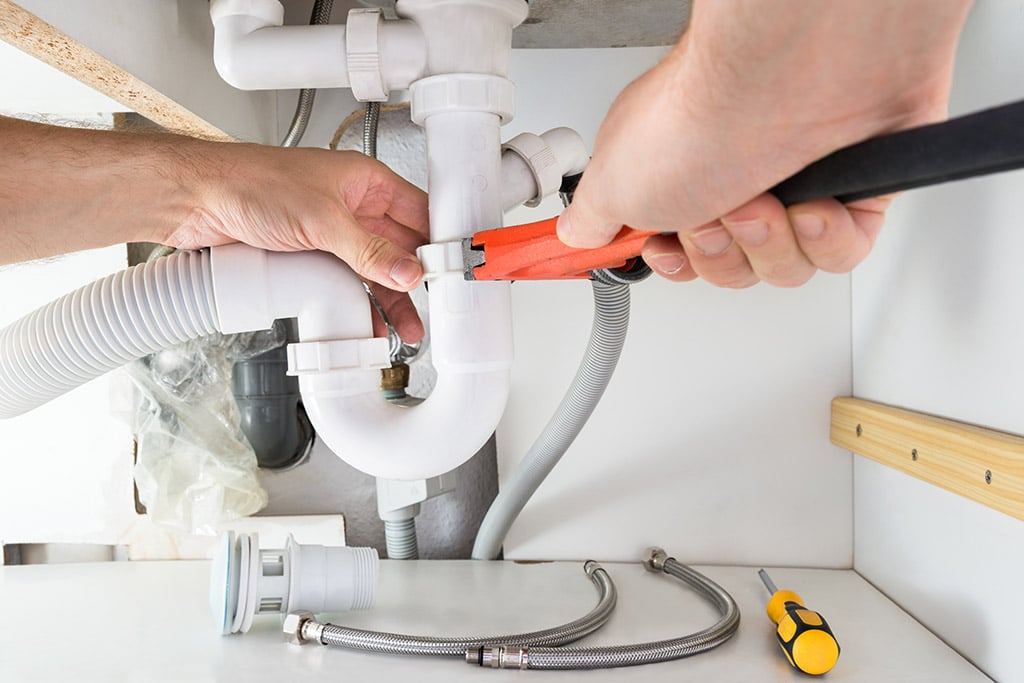
Water Service

Drains often talk before they fail. Gurgling as water drains, bubbling in a toilet when the washing machine runs, or a sewer smell near a floor waste all point to air struggling to move through the pipes. That usually means water is meeting resistance somewhere, whether from a partial blockage or a build-up that has narrowed the pipe.

Smells deserve a second look. A musty, sour or sewer-like odour that keeps returning after you have cleaned the sink or shower is worth investigating, especially if it is strongest near an outdoor gully. A dry trap in a rarely used bathroom can cause a brief smell, so run some water through it first. If the odour persists, something is probably trapped in the line.

Check 3: Look at the Outdoor Gully and Inspection Points

Many homes have a gully trap outside, usually a small grated opening near the wall where waste pipes from the kitchen, bathroom or laundry leave the house. It is often the first place trouble shows itself.

If it is safe to do so, lift the grate and look for standing water, a layer of scum or debris. If the water level is higher than usual, or it drains slowly after you run a tap inside, the blockage is likely downstream. Water pooling around the area can also mean the line is backing up.

Sometimes the gully cannot be found at all. Over the years paving, decking and concrete get laid over the top, and the access point disappears from view. A buried gully turns a small problem into a hard one, because there is no easy place to see what is happening or to clear the line. If you suspect yours has been covered, do not start breaking up paving yourself. A plumber can locate it and, where needed, restore proper access so future blockages are easier to deal with.

Check 4: Think About What Has Been Going Down the Drain

Most household blockages build up slowly from everyday habits, and the culprits differ from room to room.

  • Kitchen: Fat, oil and grease cool and coat the inside of pipes, then catch food scraps as they pass. Coffee grounds and rice can clump or swell.
  • Bathroom: Hair binds with soap scum into a dense mat, especially in shower and basin traps.
  • Laundry: Lint and fabric fibres accumulate, and detergent residue adds to the build-up.
  • Toilet: Anything other than toilet paper is a risk, including wipes sold as flushable, which often do not break down the way paper does.

Ask yourself whether anything has changed recently, such as a new cooking habit, extra people in the house or a new product going down the drain. The answer often points straight to the cause.

Check 5: Consider Your Trees and the Age of Your Pipes

Tree roots are drawn to moisture and nutrients, and a tiny crack or loose joint in an underground pipe is an open invitation. Once roots get in, they grow, catch debris and gradually narrow the pipe. Older pipes made from clay, or with many joints, tend to be more vulnerable than newer plastic pipes with fewer joints, although no pipe is completely immune.

The clues include repeated blockages in the same drain, slowness that returns a few weeks after it has been cleared, and mature trees or large shrubs growing near the pipe run. If your home is decades old, it is reasonable to ask what the drains are made of and whether a camera inspection is worthwhile. That is a question about the condition of the pipe, not just a one-off blockage, so it is best left to a professional to assess.

What Not to Do When a Drain Is Slow

Reaching for the strongest chemical on the supermarket shelf feels like action, but it has drawbacks. Harsh drain cleaners are hazardous to handle, can damage some pipes and fittings, and may leave caustic liquid sitting in the pipe, which is unpleasant and unsafe for whoever has to work on it next. They also do little against roots or solid obstructions.

Pushing a wire or rod blindly down a drain is another common mistake. It can jam an obstruction tighter or damage the pipe. A plunger, a jug of hot (not boiling) water for grease, and cleaning out the visible trap are reasonable first steps. Beyond that, it is time to stop guessing.

When to Call a Licensed Plumber

Call a plumber if more than one fixture is affected, if sewage smells or water backs up, if a gully overflows, or if the problem keeps returning after you have cleared it. These are signs the issue sits deeper in the drainage system than a home remedy can reach.

In Western Australia, plumbing work is regulated, and only people holding a licence from the Plumbers Licensing Board are legally entitled to carry it out. The state’s plumbers licensing page includes an online licence search, so you can check a plumber’s credentials before they start.

How a Plumber Finds and Clears the Blockage

Modern drain work involves far less guesswork than it used to. A small camera on a flexible cable can be fed into the pipe to show exactly what is causing the problem, whether that is grease, roots, a collapsed section or a foreign object.

High-pressure water jetting uses a strong stream of water to scour the inside of the pipe and flush debris away. It can clear build-up that a simple rod would only punch a hole through. Where a pipe is damaged, the camera footage also makes the repair options clear, so you are not left guessing about what needs to happen next.

Simple Habits That Stop Blockages Before They Start

A few small routines make a big difference over time.

  • Scrape plates into the bin, and let cooking fat cool and go into a container rather than down the sink.
  • Fit inexpensive strainers to sinks and showers, and empty them regularly.
  • Flush only toilet paper.
  • Keep gully grates clear of leaves and mulch, and make sure they stay accessible.
  • Think about where your pipes run before planting new trees or shrubs nearby.
  • If your home is older, consider a camera inspection every few years to check the pipes.

Frequently Asked Questions

Why is my drain slow but not fully blocked?

A partial blockage lets water through, just more slowly. Grease, hair or debris is usually narrowing the pipe. It is the best time to act, because the fix is typically simpler before the line blocks completely.

Can tree roots really block a drain?

Yes. Roots can enter through small cracks or loose joints and grow into a dense mass that catches debris. Older pipes with more joints are at greater risk, and the problem tends to return unless the pipe itself is dealt with.

Is it safe to use chemical drain cleaner?

It is rarely the best first option. Many products are hazardous to handle, can harm some pipes, and do little against roots or solid objects. If basic steps do not clear the drain, a plumber is the safer next call.

How do I know if the blockage is on my property?

In general, the pipes within your property are your responsibility, while the main sewer network is managed by the water utility, although exactly where the boundary falls can vary by property. If several fixtures are affected or a gully overflows, a plumber can work out which section is involved and what needs to be done.

Final Thoughts

A slow drain is a small warning that is easy to act on. Run through the five checks, avoid the harsh shortcuts, and bring in a licensed plumber when the signs point beyond a simple clean-out. Catching the problem early is almost always quicker, cheaper and less messy than dealing with an overflow.


How Musicians and Creatives Can Build a Global Career Without Giving Up Their Home Base

There was a time when an international music career meant packing up and moving to a major hub. Today, a songwriter can co-write with someone on another continent in the same afternoon, a producer can deliver mixes to clients in several countries, and a visual artist can reach collectors far from their own studio. Distance still matters, but it no longer decides who gets to build a career beyond their hometown.

That does not mean location is irrelevant. This guide looks at practical ways musicians and creatives can grow internationally while keeping a stable base, and at when it might make sense to consider a more formal move.

You Do Not Have to Move to Think Globally

The first step toward a global career is a mindset shift: your audience, collaborators, and opportunities are not limited to the place where you live. Many artists begin by reading widely about how others have approached international work, and publications like Thatericalper have covered how creatives think about European residency alongside the wider music news that shapes their careers.

Thinking globally can begin with small, low risk actions. You might research which countries have audiences for your genre, follow foreign outlets that cover artists like you, or learn how festivals and venues abroad book new acts. None of this requires a plane ticket or a legal commitment. It simply builds the knowledge you need to make bigger decisions later.

It also helps to define what “global” means for you. For one artist it may mean streaming listeners in many countries. For another it might be a regular touring circuit in one region, or a client base spread across time zones. A clear definition keeps your effort focused.

Remote Collaboration and Digital Distribution

Travel

Technology has removed many of the barriers that once made international work difficult. A few areas are worth understanding well.

Remote collaboration. Shared project files, cloud storage, and online sessions let musicians and producers work together without being in the same room. Agree on file formats, naming conventions, and deadlines at the start, so that projects do not stall over technical details.

Digital distribution. Music can be delivered to streaming platforms and download stores in many countries through distribution services. Check each service’s terms, fees, and how it handles rights and payments, because these differ.

Online presence. A simple website, a mailing list, and consistent profiles on the platforms your audience uses give people anywhere a way to find you. A mailing list in particular belongs to you rather than to a platform.

Language and culture. Even basic awareness of how your music might be received in other markets can help. A translated bio or a short description in a local language can make outreach feel more considerate.

Choosing a Touring Hub

If live performance is part of your plan, a home base that makes travel easier can save time and money. Choosing one is a practical decision, and several factors usually come into play:

  1. Transport links: Frequent, affordable connections to the places you want to play.
  2. Living and studio costs: What it costs to rent space, rehearse, and record.
  3. Local scene: Whether there are venues, collaborators, and communities relevant to your style.
  4. Time zones: How easily you can keep in touch with collaborators and business contacts.
  5. Administrative ease: How simple it is to handle banking, contracts, and paperwork from there.

Some artists stay where they are and travel out for tours. Others choose a second base for part of the year. Neither approach is better in general. What matters is fit with your work and finances.

Residency and Visa Options at a High Level

At some point, artists who work internationally start to wonder whether a longer term arrangement would make life simpler. Several countries offer residency routes of different kinds, including work based permits, self employment or freelance categories, and investment programs. Each has its own eligibility rules, costs, and obligations, and those rules change from time to time.

A few general principles apply to all of them:

  • Check current rules on official government sources rather than relying on older articles or social media posts.
  • Understand the difference between the right to live somewhere and the right to work there.
  • Ask what happens at renewal, and what conditions apply if your circumstances change.
  • Be cautious of anyone who guarantees approval or a fixed timeline.

Residency is a legal and financial decision as much as a lifestyle one, so it is worth treating it with the same care as any major contract.

Money, Contracts, and Admin

Working across borders adds administrative layers that are easy to underestimate. The following areas deserve attention early.

Royalty collection. Music can earn money in many countries, and different organizations collect different kinds of royalties. Learn which societies and services apply to you and make sure your works are registered properly.

Contracts. Get agreements in writing, and read them before signing. Pay attention to payment terms, currencies, cancellation clauses, and who covers travel and accommodation.

Taxes. Income earned abroad may be taxed in more than one place, and treaties between countries can affect the outcome. A qualified accountant who understands international creative income is worth the fee.

Banking and payments. Look into how you will receive money from different countries, and what fees and exchange rates apply.

Insurance and equipment. If you travel with instruments or gear, check whether your insurance covers loss, theft, and damage abroad.

Keeping tidy records from the beginning makes every one of these areas easier to manage.

Community and Networking Abroad

Relationships tend to open more doors than any strategy document. Building a network in another country takes patience, and a few habits help.

Show up consistently at events, shows, and meetups relevant to your scene. Support other artists, not only those who can help you. Learn a few words of the local language, since even a modest effort tends to be appreciated. Be clear and respectful in outreach, and follow through on what you promise.

It also helps to think about what you can contribute. Someone who offers a useful introduction, shares a resource, or collaborates fairly is remembered longer than someone who only asks for favors.

A Hypothetical Example

Imagine a singer songwriter who lives in a mid sized city and has a small but loyal following in several countries. She decides to test her international potential without moving. Over one year she builds a mailing list, releases music through a distribution service, writes remotely with two co-writers abroad, and books a short run of shows in a neighboring region.

By the end of the year she has learned which markets respond best to her music, which costs surprised her, and which administrative tasks she needs help with. Only then does she start researching whether a second base or a formal residency route would make sense. Her decisions are based on experience rather than assumptions.

The lesson is simple: testing small and learning early can make bigger choices clearer.

Final Thoughts

A global music or creative career is built from many small steps: better information, reliable collaborators, careful money management, and a willingness to learn from each new market. You may never need to relocate, or you may decide that a second base or residency route suits your goals. Either way, take your time, use official sources, and seek qualified advice on legal and financial matters. Start with one modest experiment this month, and let what you learn shape the next step.

How Local Marketplaces Are Reshaping Community Commerce

For years, the dominant retail narrative was one of consolidation. Big-box stores and online giants absorbed market share from small, independent businesses, and local commercial districts in many towns and cities quietly hollowed out. That story hasn’t fully reversed, but a genuine counter-trend has emerged in its place: a resurgence of local marketplaces that are reshaping how communities shop, gather, and support small business.

The Decline and Revival of Local Commerce Hubs

The decline of traditional local commerce is well documented. Rising commercial rents, the convenience of online shopping, and the scale advantages of national chains made it increasingly difficult for small, independent businesses to compete on their own. Many downtowns and neighborhood commercial strips saw storefronts sit vacant for years, and the kind of everyday, walkable commerce that once defined local economies became harder to find.

What’s changed in recent years is the emergence of a different model. Rather than trying to compete head-on with big-box scale, a new generation of community marketplaces has focused on aggregation instead, bringing multiple small vendors together under one roof or one platform, combining their individual reach into something collectively more competitive. This shift has given local commerce a genuine second wind in communities that had largely written it off.

What Today’s Community Marketplaces Look Like

NewMarket Square

Modern community marketplaces take a range of forms, but they share a common thread: lowering the barriers that make it hard for small vendors to reach customers on their own. Platforms like NewMarket Square reflect this approach, creating a shared space, physical or digital, where local vendors can operate without needing to independently solve for foot traffic, marketing reach, or overhead costs that would be prohibitive on their own.

This model differs meaningfully from earlier attempts at revitalizing local commerce, which often focused narrowly on aesthetics or one-off events. Today’s marketplaces tend to be built around ongoing infrastructure, shared marketing, consistent programming, and a curated mix of vendors, that gives small businesses a sustainable path to reach customers rather than a temporary boost.

Benefits for Small Vendors and Shoppers Alike

The appeal of this model runs in both directions. For small vendors, joining a shared marketplace dramatically reduces the risk and upfront cost of reaching customers compared to opening and marketing a standalone storefront. It also creates a built-in customer base, since shoppers visiting the marketplace for one vendor are naturally exposed to others in the same space.

For shoppers, community marketplaces offer something increasingly rare: a curated, walkable shopping experience that feels distinct from both generic big-box retail and the impersonal nature of online shopping. There’s a discovery element to browsing a well-curated local marketplace that’s difficult to replicate through an algorithm-driven online storefront, along with the simple satisfaction of knowing a purchase directly supports a local business rather than a distant corporation.

What This Means for the Future of Retail

It would be an overstatement to say community marketplaces are reversing decades of retail consolidation on their own. National chains and major online platforms remain dominant, and that isn’t likely to change dramatically. But the growth of these marketplace models suggests a more nuanced future for retail, one where local, curated commerce carves out a durable niche alongside, rather than in direct competition with, larger retail forces.

This niche seems to be resonating with a meaningful segment of consumers who value the experience, discovery, and community connection that local marketplaces provide, even if they continue to do the bulk of their routine shopping elsewhere. For small businesses, that niche represents something valuable: a viable path to reach customers without needing to either compete directly with big-box scale or go it alone.

A Model Worth Watching

The resurgence of local marketplaces reflects a broader recalibration in how communities think about commerce, not as an all-or-nothing choice between big-box convenience and struggling independent storefronts, but as something that can genuinely coexist through shared infrastructure and collective reach. As more communities experiment with this model, it’s likely to keep evolving, but the underlying appeal, supporting local business without asking any single vendor to shoulder the full weight of competing alone, seems built to last.

Finding a Reliable Local Tyre Shop: What to Look For

Once a driver has worked out that new tyres are needed, the next question is usually where to actually go. With several options typically available in any given area, it is not always obvious which shop will offer a genuinely good experience versus one that simply gets the job done without much care. Knowing what to look for ahead of time can save both money and hassle.

Why Choosing the Right Shop Matters

Not all tyre shops operate the same way, and the difference between a good one and an average one often comes down to more than just price. Searching for City Discount Tyres near you or a similarly accessible local option is often the first instinct, but it is worth knowing what actually separates a reliable shop from an average one before booking in.

Fitting quality, advice, and how a shop treats its customers can vary considerably, and a poor experience at this stage can end up costing more in the long run, whether through incorrect fitting, unnecessary upselling, or simply having to go back and get something redone properly elsewhere.

Checking for Proper Qualifications and Equipment

A reliable tyre shop should have properly trained staff and the right equipment to do the job correctly. This includes wheel balancing and alignment equipment, since poorly balanced or misaligned wheels can lead to uneven wear, reduced handling, and a less comfortable ride even with brand new tyres fitted.

It is reasonable to ask a shop about their fitting process, including whether alignment checks are offered alongside a tyre change. A shop confident in its own equipment and staff training generally has no issue explaining this when asked.

Range of Brands and Stock Availability

A good tyre shop typically carries a reasonable range of brands and price points, rather than pushing customers toward a single option regardless of their vehicle, driving habits, or budget. This matters because different vehicles and different drivers genuinely benefit from different tyre types, and a shop with limited stock has less ability to match a recommendation to your specific situation.

Having a decent range available also tends to reduce wait times, since a shop is less likely to need to order in stock for common vehicle types if they already carry a broad selection.

Transparent Pricing and Advice

Clear, upfront pricing is one of the simpler signs of a trustworthy shop. Before committing, it is worth asking for a full breakdown of costs, including fitting, balancing, and disposal of old tyres, rather than being quoted a bare tyre price that grows once additional fees are added later.

Good advice should also feel explanatory rather than pushy. A shop that takes the time to explain why a particular tyre suits your vehicle or driving style is generally more trustworthy than one that simply steers you toward the most expensive option without much reasoning offered.

Convenience Factors Worth Considering

Beyond quality and pricing, a few practical factors are worth weighing up. Location matters if you expect to need future services such as rotations or repairs, since a shop close to home or work makes ongoing maintenance far more likely to actually happen. Wait times are also worth asking about upfront, particularly if you need tyres replaced urgently rather than being able to wait several days for an appointment.

Some shops offer fitting on the same day, which can be a significant convenience if your current tyres are already in poor condition. Checking this in advance, rather than assuming it is available everywhere, can save an unnecessary trip.

Conclusion

Choosing a reliable local tyre shop is worth a bit of upfront research rather than simply going with whichever option is closest or first to appear in a search. Checking for proper qualifications and equipment, a reasonable range of stock, transparent pricing, and practical convenience factors all contribute to a smoother, more trustworthy experience. A small amount of effort at this stage tends to pay off well beyond the day you actually get new tyres fitted.