

Once you’ve decided to go the import route, the next problem shows up fast: there are dozens of options, each with its own reputation, price range, and fan base online. It’s easy to get pulled toward whatever’s trending in a forum thread or a YouTube build video, but the right choice really comes down to a handful of practical decision points rather than popularity.
Start With Your Build Goals
Before looking at any specific engine, it helps to get honest about what the car is actually going to be used for. A daily driver has very different needs than a dedicated drift car, a drag setup, or a weekend track build, and choosing a jdm engine without that clarity is one of the fastest ways to end up with buyer’s remorse.
Someone building a reliable daily needs low stress reliability and easy serviceability far more than raw power potential. A drift build might prioritize a responsive powerband and aftermarket support for angle kits and cooling setups. A drag car cares almost entirely about how much power the block can safely hold once built. None of these goals point to the same engine, which is why starting here saves a lot of second guessing later.
Matching Power Goals to Realistic Engine Options
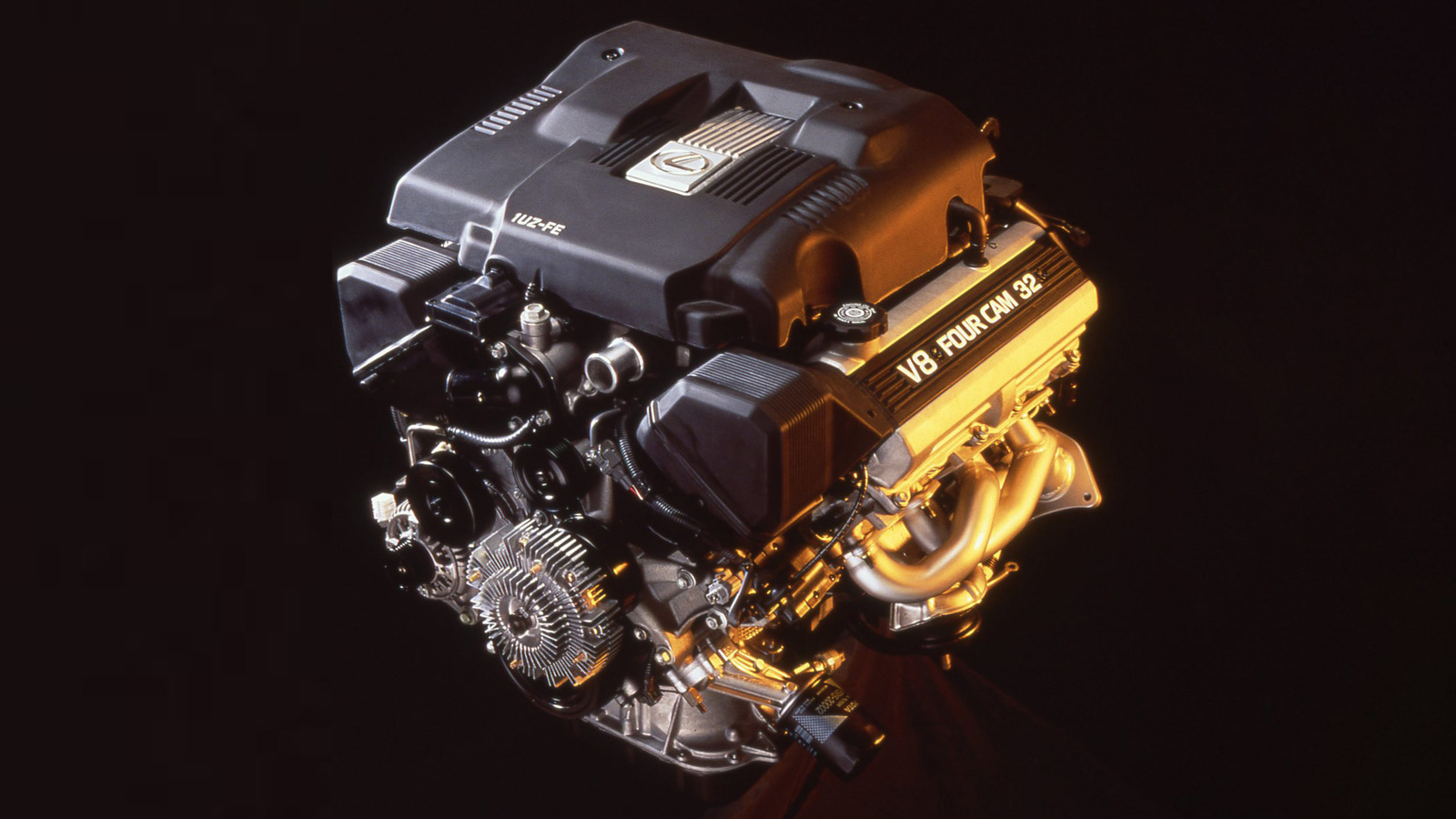
Once the build goal is clear, power targets naturally follow, and this is where turbocharged versus naturally aspirated preference comes into play. Turbo platforms generally offer more headroom for future power increases but come with more supporting modifications required to do it safely. Naturally aspirated options tend to be simpler to maintain and often more forgiving if the build stays closer to stock.
It’s worth being realistic here too. Plenty of builders buy an engine with far more headroom than they’ll ever use, paying a premium for potential they never tap into. If the real world target is a moderate power bump for street use, there’s little reason to pay for an engine built to handle three times that output.
Budget Realities Beyond the Purchase Price
The sticker price on an engine listing rarely tells the whole story. A full budget should account for:
- Shipping and freight costs, which vary depending on the source and distance.
- Harness and ECU work, especially if the engine’s electronics don’t match the donor vehicle cleanly.
- Machine shop costs if any internal work is needed before installation.
- Mounts, sensors, and small compatibility parts that often get overlooked until the install is already underway.
A cheaper engine upfront can end up costing more overall if it requires significant compatibility work to fit the platform. Factoring in the full picture before purchasing avoids a lot of budget surprises mid build.
Platform and Chassis Fit
Even with goals and budget sorted out, the engine still has to make sense for the specific vehicle it’s going into. Some pairings are well documented with plenty of community support and proven kits, which makes sourcing parts and troubleshooting far easier. Others require custom fabrication, one off wiring solutions, or mounts that aren’t readily available, which adds cost and time regardless of how well suited the engine seems on paper.
Checking what other builders have done with the same chassis, and being honest about how much fabrication work you’re prepared to take on, helps avoid choosing an engine that looks great in theory but turns into a much bigger project in practice.
Let the Goals Lead the Choice
The temptation to chase whatever’s popular is real, but the builders who end up happiest with their swap are usually the ones who worked backward from their actual goals and budget rather than picking an engine first and hoping the rest would work itself out. Define what the car needs to do, get realistic about the total cost, and confirm the platform fit before committing. The right engine for someone else’s build isn’t necessarily the right one for yours.