
How Local Marketplaces Are Reshaping Community Commerce
 Ed Miller
 For years, the dominant retail narrative was one of consolidation. Big-box stores and online giants absorbed market share from small, independent businesses, and local commercial districts in many towns and cities quietly hollowed out. That story hasn’t fully reversed, but a genuine counter-trend has emerged in its place: a resurgence of local marketplaces that are reshaping how communities shop, gather, and support small business.
The Decline and Revival of Local Commerce Hubs
The decline of traditional local commerce is well documented. Rising commercial rents, the convenience of online shopping, and the scale advantages of national chains made it increasingly difficult for small, independent businesses to compete on their own. Many downtowns and neighborhood commercial strips saw storefronts sit vacant for years, and the kind of everyday, walkable commerce that once defined local economies became harder to find.
What’s changed in recent years is the emergence of a different model. Rather than trying to compete head-on with big-box scale, a new generation of community marketplaces has focused on aggregation instead, bringing multiple small vendors together under one roof or one platform, combining their individual reach into something collectively more competitive. This shift has given local commerce a genuine second wind in communities that had largely written it off.
What Today’s Community Marketplaces Look Like
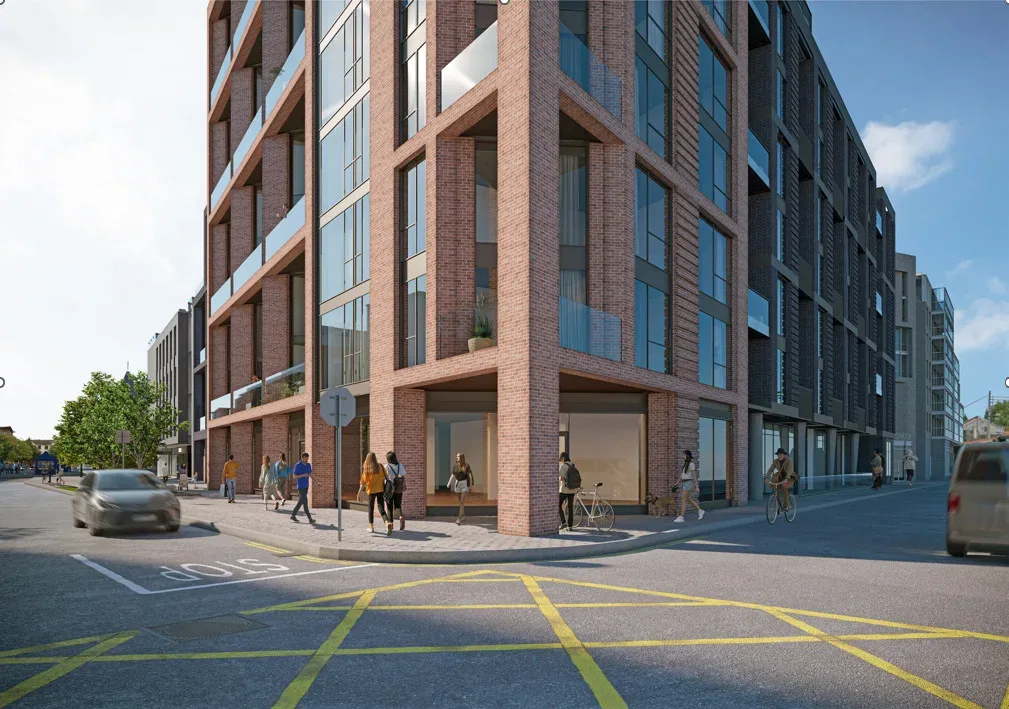
Modern community marketplaces take a range of forms, but they share a common thread: lowering the barriers that make it hard for small vendors to reach customers on their own. Platforms like NewMarket Square reflect this approach, creating a shared space, physical or digital, where local vendors can operate without needing to independently solve for foot traffic, marketing reach, or overhead costs that would be prohibitive on their own.
This model differs meaningfully from earlier attempts at revitalizing local commerce, which often focused narrowly on aesthetics or one-off events. Today’s marketplaces tend to be built around ongoing infrastructure, shared marketing, consistent programming, and a curated mix of vendors, that gives small businesses a sustainable path to reach customers rather than a temporary boost.
Benefits for Small Vendors and Shoppers Alike
The appeal of this model runs in both directions. For small vendors, joining a shared marketplace dramatically reduces the risk and upfront cost of reaching customers compared to opening and marketing a standalone storefront. It also creates a built-in customer base, since shoppers visiting the marketplace for one vendor are naturally exposed to others in the same space.
For shoppers, community marketplaces offer something increasingly rare: a curated, walkable shopping experience that feels distinct from both generic big-box retail and the impersonal nature of online shopping. There’s a discovery element to browsing a well-curated local marketplace that’s difficult to replicate through an algorithm-driven online storefront, along with the simple satisfaction of knowing a purchase directly supports a local business rather than a distant corporation.
What This Means for the Future of Retail
It would be an overstatement to say community marketplaces are reversing decades of retail consolidation on their own. National chains and major online platforms remain dominant, and that isn’t likely to change dramatically. But the growth of these marketplace models suggests a more nuanced future for retail, one where local, curated commerce carves out a durable niche alongside, rather than in direct competition with, larger retail forces.
This niche seems to be resonating with a meaningful segment of consumers who value the experience, discovery, and community connection that local marketplaces provide, even if they continue to do the bulk of their routine shopping elsewhere. For small businesses, that niche represents something valuable: a viable path to reach customers without needing to either compete directly with big-box scale or go it alone.
A Model Worth Watching
The resurgence of local marketplaces reflects a broader recalibration in how communities think about commerce, not as an all-or-nothing choice between big-box convenience and struggling independent storefronts, but as something that can genuinely coexist through shared infrastructure and collective reach. As more communities experiment with this model, it’s likely to keep evolving, but the underlying appeal, supporting local business without asking any single vendor to shoulder the full weight of competing alone, seems built to last.